
Have you ever noticed the word “Watt-hour (Wh)” when you read the instructions for buying a battery? You may wonder, what is a watt-hour? Is it important? In this article, we will analyze what watt-hour is and why it is marked on the instructions. You won’t be confused the next time you see it.
Table of Contents
What Is a Watt Hour?
Watt-hour is a unit of energy used to measure the amount of electricity a device consumes over a period of time. The calculation formula is: Watt-hour = power (watts) × time (hours). For example, a 60-watt light bulb runs for two hours, which consumes 120 watts of energy (60W*2h=120Wh). Understanding the meaning of watt-hour can help you estimate the energy consumed by the device and the fees you will need to pay later.
Watt Hours vs. Other Energy Units
You may also come across terms like kilowatt-hours (kWh), amperes (amps), and volts (V).
Watt Hours vs. Kilowatt Hours
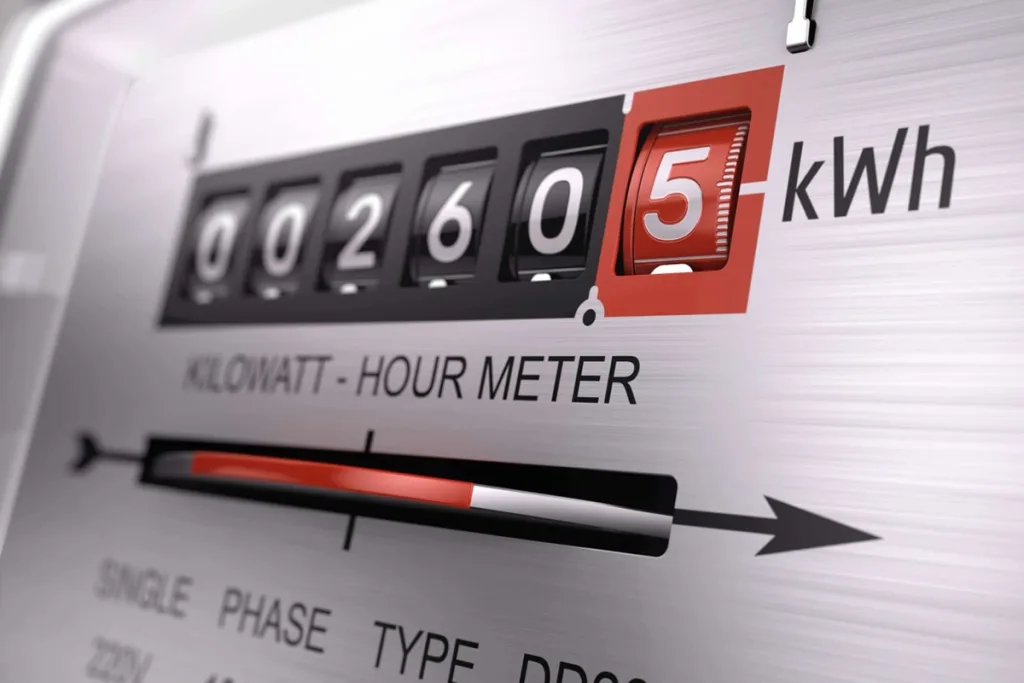
The kilowatt-hour is a larger unit of energy measurement, with 1 kWh = 1,000 Wh. The kilowatt-hour is often used to measure household energy consumption, such as monthly electricity bills.
Watt Hours vs. Amperes and Volts
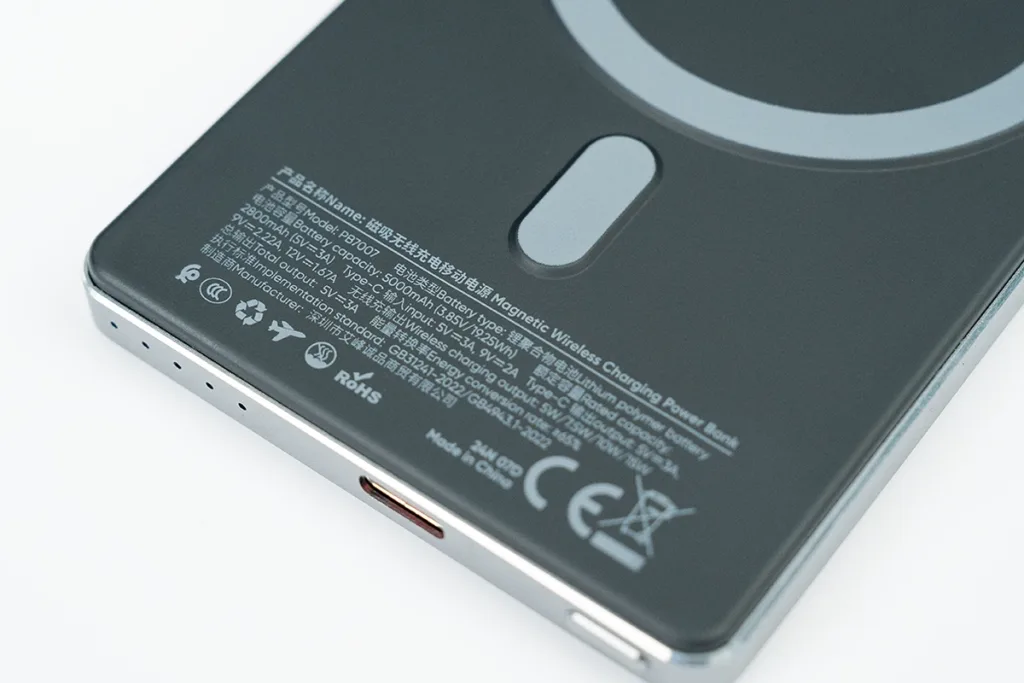
Watt-hour is obtained by power (watt) * time (hour), but power (watt) is calculated by volt (V) and ampere (A). The basic formula is: Watt = Volt × Ampere. The relationship between them is particularly important when choosing a power bank or charger.
Why Are Watt Hours Important?
Energy Consumption Tracking
Watt-hours can help you track the energy consumption of your home devices. For example, the air conditioner in the bedroom uses 500 watts per hour and is turned on for 2 hours a day, which consumes 1000Wh a day and 30,000 (30kWh) a month. By calculating various different devices, you can choose the most cost-effective power company and electricity plan.
Battery Capacity
When you buy a mobile battery, you can also calculate how long and how many times this mobile power bank can be used. If your mobile phone needs 10Wh to fully charge, a 10,000mAh mobile power bank with an output of 3.7V can store 37Wh of energy. This power bank can charge your mobile phone 3 times. Of course, you can also choose the appropriate battery capacity according to your usage needs and charging times.
Environmental Protection
If you are an environmentalist, knowing the watt-hour of your equipment will help you implement your environmental protection plan. Choosing a small LED Light bulb, a relatively energy-saving TV, or an air conditioner is all about low-carbon living.
How many Watt Hours do I need?

First, you need to check the devices you mainly use, how many watt-hours (Wh) each device requires, and the approximate usage time, and multiply them. After the calculation, add up all the watt-hours to get the Watt Hours you need.
For example
Smartphone: 5W × 2h = 10Wh
Washing machine: 200W× 1h=500Wh
Laptop: 60W× 3h=180Wh
Total: 690Wh
Calculating the power of the device will help you estimate your electricity budget and predict the electricity price gradient.
Conclusion
All in all, understanding Watt-hours (Wh) is very important and allows you to make smarter choices in your purchases. The next time you see “Wh”, you will know what it means and its importance, and use this knowledge to contribute to the environment.Follow VIDVIE updates to get more information.
FAQs
Why do batteries use watt-hours instead of amps?
Watt-hours measure energy capacity (power over time), while amps only measure current flow, making watt-hours a more accurate way to compare battery performance.
How many watt-hours does a phone battery have?
This depends on the phone model and capacity, generally between 10Wh and 20Wh.
How do I convert watt-hours to kilowatt-hours?
Divide watt-hours by 1,000 to get kilowatt-hours. (1,000Wh = 1kWh)