
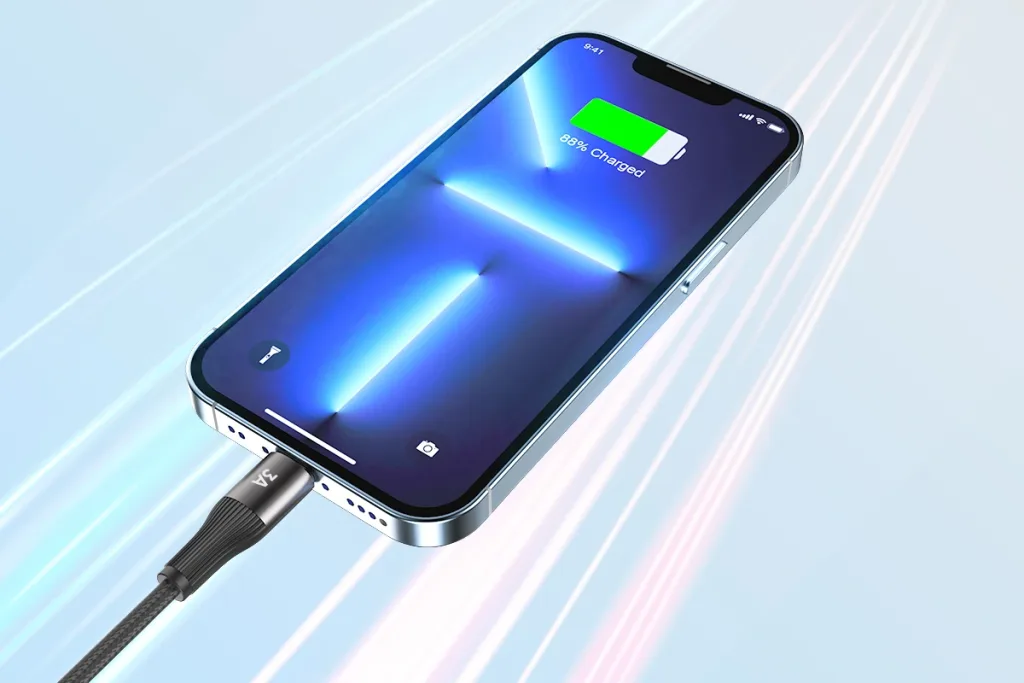
MagSafe and Lightning are two important charging technologies designed for Apple devices, each serving a unique purpose. MagSafe is a magnetic wireless charging solution, while Lightning is a traditional wired connection used in many Apple devices, including iPhones and iPads. Both have their strengths, but which one is better for iPhone users?
Understanding the key differences between MagSafe and Lightning is crucial when deciding which option best fits your charging needs. This article will break down how each technology works, comparing factors like speed, convenience, and compatibility, to help you make an informed decision.
Table of Contents
What does Magsafe Mean?
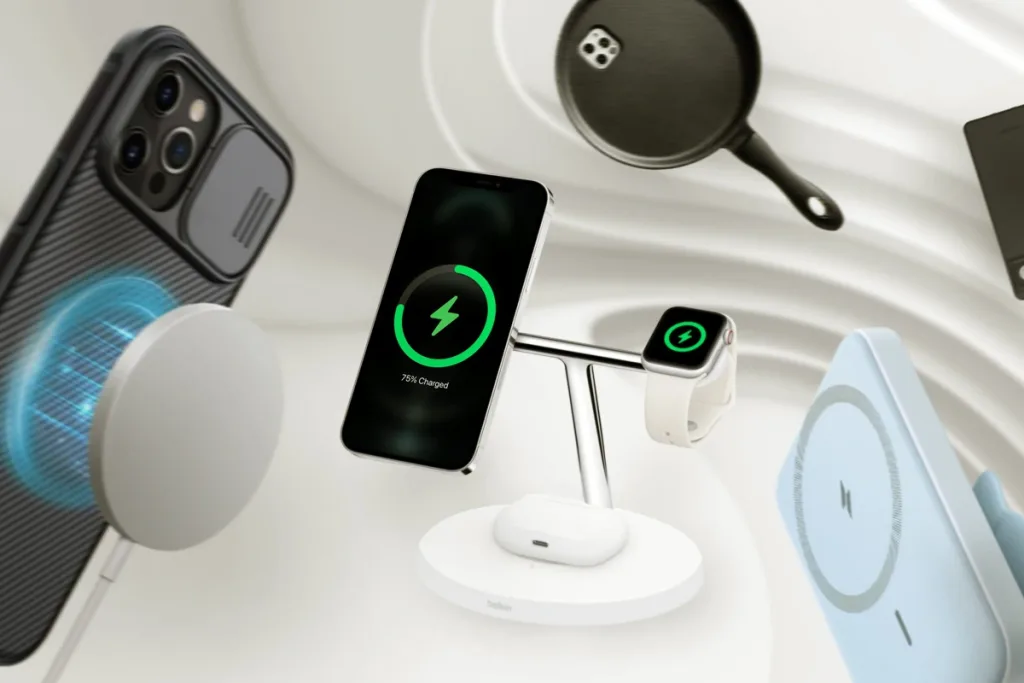
MagSafe is Apple’s magnetic wireless charging solution, designed to make charging more efficient and convenient. It uses built-in magnets that perfectly align the charger with your device for optimal charging speed, reducing the chances of misalignment or connection issues. One of its standout features is the ability to wirelessly charge while still being compatible with accessories, like MagSafe wallets and cases, which snap on seamlessly.
MagSafe is available on iPhone models starting from the iPhone 12 and up, including the iPhone 13, 14, and 15 series. Compared to other wireless charging solutions, MagSafe is faster and more reliable, making it a popular choice for users who value convenience and functionality.
What is Lightning?
Lightning is Apple’s proprietary wired charging and data transfer port, first introduced in 2012 with the iPhone 5. It quickly became the standard for many Apple devices, including iPhones, iPads, AirPods, and accessories. One of Lightning’s strengths is its versatility. It supports fast charging and provides a stable connection for data transfer, which makes it efficient for syncing and charging simultaneously.
Lightning is widely compatible with numerous accessories and adapters that many Apple users already own, offering great convenience for those who have invested in the Apple ecosystem. Its reliability and speed have made it a trusted solution for years, but with the rise of wireless technologies, like MagSafe, some users might be considering the shift.
Charging Speed: MagSafe vs. Lightning
When it comes to charging speed, MagSafe and Lightning offer different capabilities tailored to user needs. MagSafe, Apple’s magnetic wireless charging solution, supports charging speeds of up to 15W for compatible iPhones like the iPhone 12 and newer models. This ensures efficient wireless charging without the hassle of cables, providing convenience and ease of use.
On the other hand, Lightning excels in wired charging, where it can achieve faster charging speeds, especially when paired with a high-wattage adapter. This makes Lightning ideal for users who prioritize rapid charging times and need their devices powered up quickly.
In real-world scenarios, the choice between MagSafe and Lightning often boils down to personal preference and specific use cases. MagSafe offers the advantage of wireless convenience and stable charging, while Lightning provides faster charging speeds when using the appropriate adapters. Understanding these differences helps users make informed decisions based on their charging priorities and device requirements.
Durability and Longevity
Lightning cables, though widely used for Apple devices, are known for wear and tear over time. Frequent bending and pulling can cause damage, especially near the connectors, leading to frayed or broken wires. This makes the durability of Lightning cables a concern for users who rely on them for both charging and data transfer on a daily basis.
MagSafe, with its wireless design, avoids the direct strain on cables that Lightning suffers from. The magnetic attachment ensures proper alignment and avoids the tugging that can damage traditional cables. However, MagSafe still requires a cable to connect the charging pad to the power source, which can experience wear similar to Lightning cables over time.
When comparing the longevity of the two technologies, Lightning may wear out faster due to cable strain, while MagSafe’s wireless nature offers a longer lifespan for the charger itself. However, both technologies are subject to daily wear, and their longevity depends largely on how carefully they are used.
Accessory Compatibility
MagSafe and Lightning both support a variety of accessories, but they serve different user needs. MagSafe, Apple’s magnetic charging technology, seamlessly works with protective cases, wallets, and battery packs. The magnetic alignment makes it easy to snap accessories on and off, offering convenience for everyday use. For example, users can charge their iPhone while keeping a wallet attached or use a MagSafe-compatible battery pack without needing to connect cables.
Lightning, on the other hand, has a wider ecosystem of traditional accessories. It’s compatible with wired headphones, charging docks, car adapters, and a variety of third-party products like speakers and earbuds. This makes Lightning a more versatile choice for users who rely on older accessories or prefer wired connections.
In some cases, users may prefer MagSafe for wireless convenience and compatibility with modern accessories. For example, if you want to charge your phone and attach a wallet at the same time, MagSafe is the go-to. Lightning, however, is ideal for situations where fast charging or data transfer is necessary, like quickly charging your device while listening to music on wired headphones.
Cost Consideration
When considering cost, both MagSafe and Lightning present different expenses for users. MagSafe chargers and compatible accessories, like cases and battery packs, tend to be more expensive due to the wireless and magnetic technology. For example, MagSafe chargers typically cost more upfront compared to standard Lightning cables. Additionally, accessories designed specifically for MagSafe, like the MagSafe-compatible wallet or battery pack, add to the total expense.
Lightning, on the other hand, is a more cost-effective option for basic charging needs. Lightning cables and accessories are widely available, often at lower prices. Many users already own Lightning cables and chargers, making it a less expensive option to replace or upgrade compared to adopting MagSafe. However, users should also consider the long-term cost of replacing Lightning cables, which are more prone to wear and tear.
When comparing the two, the cost ultimately depends on user needs. If wireless convenience and modern accessory compatibility are priorities, the higher cost of MagSafe might be worth it. On the other hand, if affordability and existing accessory support are more important, Lightning remains the better budget-friendly choice.
Which One Should You Choose?
MagSafe is perfect for those who value wireless convenience, sleek design, and a strong ecosystem of accessories like magnetic cases and wallets. It’s also a great choice if you prefer clutter-free charging, as it eliminates the need for cables. However, it comes with a higher price point and slower charging speeds (up to 15W), which might be a drawback for some users who prioritize quick charging.
Lightning, on the other hand, is widely supported, affordable, and offers faster charging speeds when paired with high-wattage adapters. It’s an excellent option for users who already have a variety of Lightning-compatible accessories, like headphones and charging docks. The downside, however, is that the cables can wear out over time, and it doesn’t offer the wireless convenience that MagSafe provides.
Which one is better? If you prioritize charging speed and cost-effectiveness, Lightning is the better choice. But if you prefer wireless charging, easy magnetic alignment, and a modern accessory ecosystem, MagSafe is the way to go.
Summarize
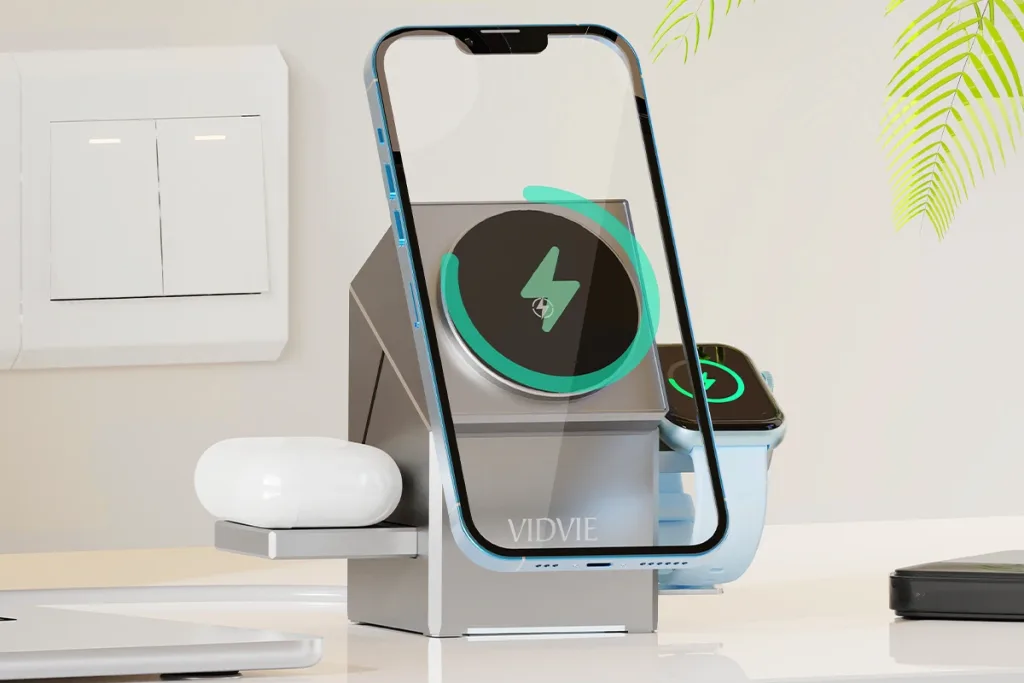
In summary, MagSafe offers the convenience of wireless charging and easy magnetic alignment, making it ideal for users who want a cable-free experience and compatibility with modern accessories. On the other hand, Lightning provides faster charging and wide compatibility with a range of existing Apple devices and accessories.
When choosing between the two, it ultimately depends on your priorities: MagSafe is more convenient and future-proof, especially as Apple may expand its ecosystem, while Lightning is still very important for those who need quick charging and use traditional accessories.
Choose the technology that best fits your lifestyle and charging needs!
FAQs about MagSafe and Lightning
Can I use a Lightning cable with a MagSafe case?
Yes, you can still use a Lightning cable to charge your iPhone even if you have a MagSafe case. The MagSafe case is designed to support both MagSafe wireless charging and wired charging through the Lightning port.
Which charges faster, MagSafe or Lightning?
Lightning charges faster than MagSafe. With a compatible fast charger, Lightning can charge your device at higher speeds than MagSafe, which is limited to 15W. However, MagSafe offers the convenience of wireless charging.
Are all iPhone models compatible with MagSafe?
No, only iPhone 12 models and later support MagSafe technology. Older iPhones are not compatible with MagSafe, but they can still use the Lightning cable for charging.