
In order to meet different needs, with the explosion of technology, a variety of chargers have appeared on the market. There are main chargers with higher power, from 5 watts to 100 watts, and USB chargers that are very portable. Two different options dazzle consumers. This article is to help more consumers understand the difference between a main charger and a USB charger and choose the most suitable charger from different points of view.
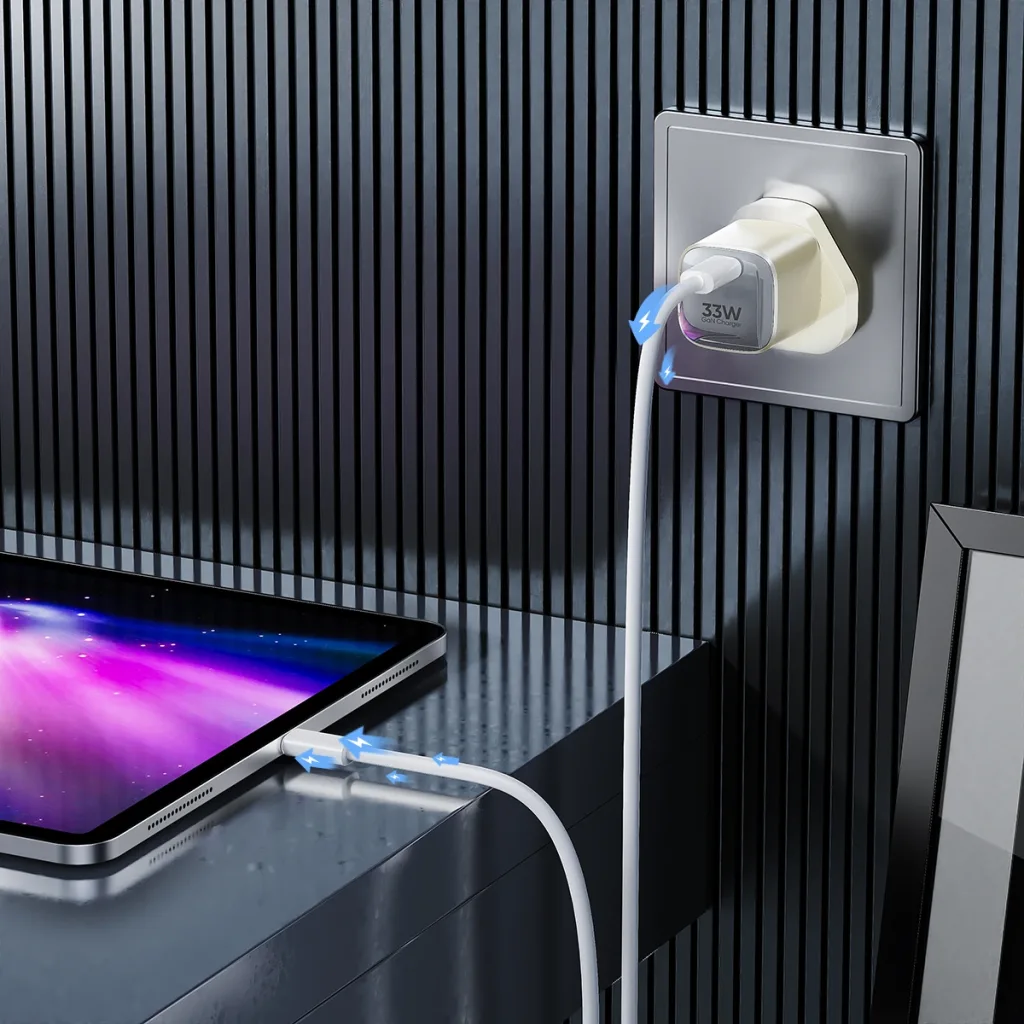
Mains Chargers?
Mains Chargers plug directly into a wall socket or power outlet. These chargers convert AC power from the mains supply into DC power for your device. A detachable cable often accompanies Mains Chargers. This cable connects to your device’s charging port. Mains Chargers deliver a consistent and stable charge.
Common devices that use mains chargers
Many devices rely on Mains Chargers. Smartphones, tablets, and laptops frequently use these chargers. Some household appliances also depend on Mains Chargers. These chargers provide the necessary power for efficient operation.
Advantages of Mains Chargers
Higher power output
Mains Chargers offer higher power output compared to other chargers. This feature allows for efficient charging. Devices receive the required energy quickly. Users benefit from reduced waiting times.
Faster charging times
The design of Mains Chargers ensures faster charging times. The direct connection to a power outlet boosts efficiency. Users experience less downtime with their devices. This advantage proves beneficial in busy daily routines.
Disadvantages of Mains Chargers
Bulkiness and portability issues
Mains chargers are usually larger than USB chargers. Due to their size and design, users may find it troublesome to carry them when going out, which also limits the convenience of consumers carrying them when traveling.
Dependency on wall outlets
Mains Chargers depend on wall outlets for power. Users must locate an available outlet for charging. This dependency limits flexibility. Charging becomes restricted to specific locations.
USB Charger
What are USB Chargers?
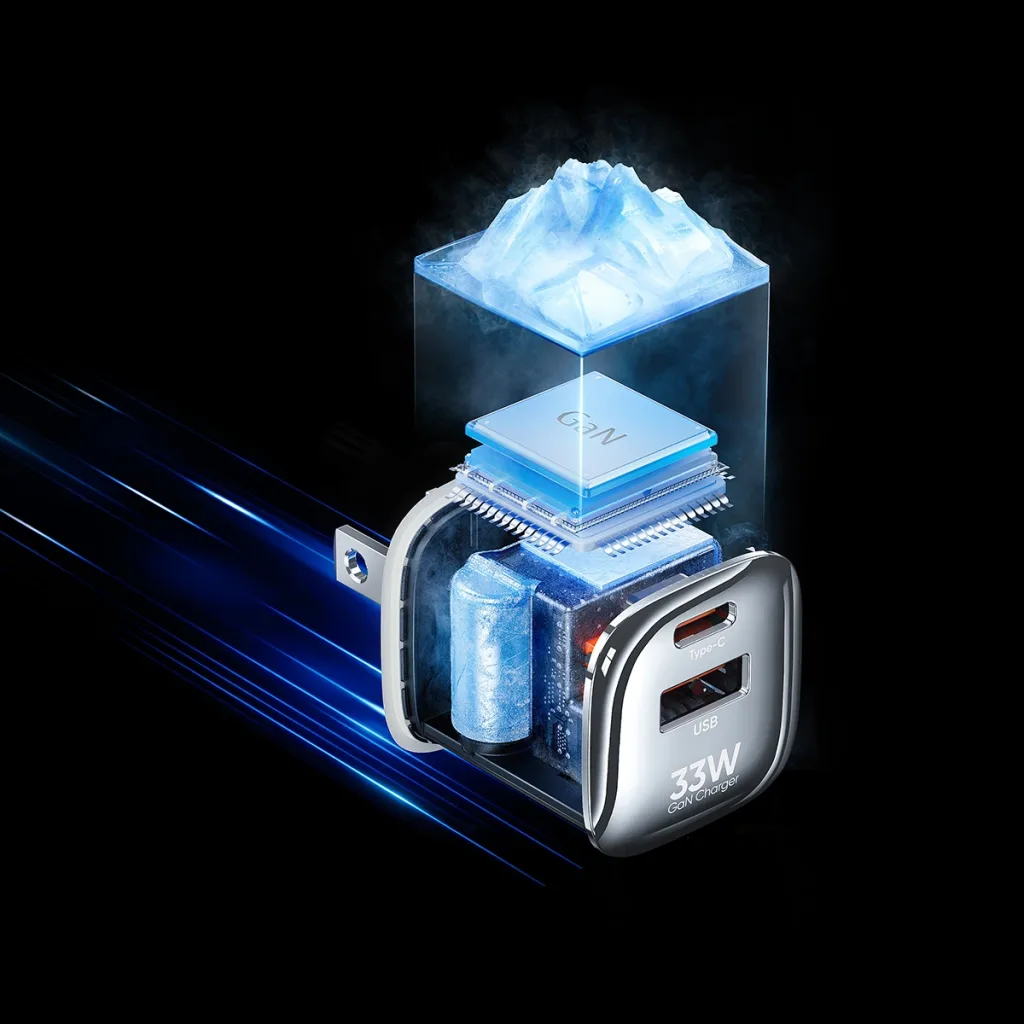
USB chargers are a convenient source of charging for many electronic devices nowadays. These chargers can be easily charged by connecting devices through different USB ports and converting them into the form suitable for your device. Due to their wide range of uses, many modern electronic devices are also using portable USB chargers, such as smartphones, tablets, laptops, etc.
Advantages of USB Chargers
Portability and convenience
USB chargers offer significant portability. The compact design allows you to carry them easily. You can charge devices anywhere with a USB port, providing flexibility. This feature proves useful during travel or in emergencies.
Works on multiple devices
The versatility of USB chargers stands out. You can use one charger for multiple devices.USB chargers are highly adaptable and support a variety of standards, including USB-A, micro USB-B and USB-C, so you don’t have to equip each device with a dedicated charger.
Disadvantages of USB Chargers
Lower power output
USB chargers generally provide lower power output compared to Mains Chargers. This limitation affects the charging speed. Devices may take longer to reach full charge. Users might experience increased waiting times.
Slower charging times
The design of USB chargers results in slower charging times. The power delivery is less efficient than Mains Chargers. This can lead to longer downtime for devices. Users may need to plan charging sessions accordingly.
Comparative Analysis
Power Output and Charging Speed
Comparison of power output
Mains Chargers deliver a higher power output compared to USB chargers. This feature allows Mains Chargers to provide more energy to devices in a shorter time. For example, a typical Mains Charger might offer an output of 1000mA, which can charge devices faster than many portable USB chargers. USB chargers vary in power output due to different specifications. Some USB chargers have powerful ports, like the Belkin USB-C charger, which offers up to 45W per port.
Impact on charging speed
The power output directly affects the charging speed. Mains Chargers usually charge devices faster due to their higher power output. Devices with larger batteries benefit from this increased speed. USB chargers, while versatile, often result in slower charging times. The amperage and voltage of wall chargers USB influence how quickly a device charges. Chargers with higher amperage ports are recommended for faster charging.
Portability and Convenience
Ease of carrying and using
USB chargers are portable and consumers can charge their devices anywhere with a USB port. Mains Chargers are relatively large in size, which limits their portability.
Situational convenience
Using a single USB charger can charge multiple devices and can be used in a variety of environments. Mains Chargers require a wall socket and need to be charged in a specific location.
Device compatibility
Mains Chargers often cater to specific devices. The design focuses on delivering optimal power for particular gadgets. USB chargers, however, offer broader compatibility. Many devices, including smartphones and laptops, use USB chargers. This compatibility makes USB chargers a popular choice for users with multiple devices.
Understanding the differences between mains chargers and wall chargers USB is crucial. Mains chargers offer higher power output and faster charging. USB chargers provide portability and versatility. Choosing the right charger depends on your needs. Consider factors like charging speed, portability, and compatibility. Evaluate your lifestyle and device usage. Select a charger that aligns with your requirements. Prioritize safety and cost-effectiveness in your decision. Making an informed choice ensures efficient and convenient charging.VIDVIE is a USB charger supplier with many global offline stores. If you want to become our partner and get a free quote, please contact us.