
MagSafe technology has become a popular feature for Apple users, offering a sleek and convenient way to wirelessly charge devices like iPhones, AirPods, and even the Apple Watch. With its magnetic alignment, MagSafe ensures that your device charges more efficiently and stays perfectly in place during the process. However, with this new technology, some people wonder: Is MagSafe bad for the battery?
In this article, we’re going to dive into that question. We’ll explore how MagSafe works, how it impacts battery health, and whether it’s something you should worry about. By the end, you’ll have a clear understanding of whether MagSafe charging is safe for your device’s battery or if it could potentially cause harm. Let’s take a closer look!
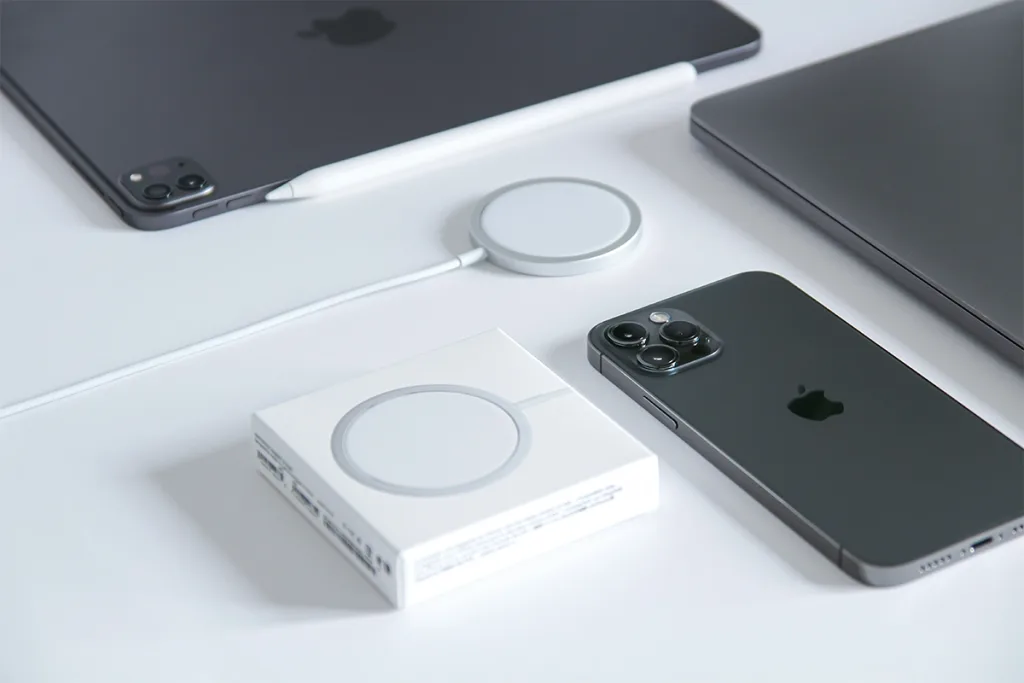
Table of Contents
MagSafe Technology
MagSafe is Apple’s magnetic charging technology that simplifies wireless charging for compatible devices, making it faster and more efficient. Here’s how it works: MagSafe uses a ring of magnets to align your device perfectly with the charger, ensuring optimal charging speed and minimizing wasted energy. When you place a MagSafe-compatible device, like an iPhone or AirPods, on a MagSafe charger, the magnets pull it into place for the best possible connection. This not only speeds up the charging process but also helps avoid issues with alignment that can slow down charging or even stop it entirely.
MagSafe works with various Apple devices, particularly iPhones from the iPhone 12 series and later, as well as some AirPods models that have MagSafe-compatible cases. In addition, it pairs seamlessly with a whole ecosystem of accessories, like cases and battery packs, adding versatility and convenience to the Apple user experience.
Does MagSafe Affect Battery Health?
When we compare MagSafe charging with traditional wired charging, one of the big points of difference is heat generation. MagSafe’s wireless setup, which uses magnetic alignment, can produce a bit more heat than wired charging. While this is generally well-controlled, heat over time can have an impact on battery life.
Apple has designed MagSafe and its devices to manage this heat, but when used regularly, it’s something to keep in mind if you’re focused on long-term battery health. By contrast, wired charging tends to be more efficient, which means less heat overall, potentially making it a gentler option for preserving battery health. This introduction lays the foundation for understanding how each method impacts battery life and supports informed decisions on charging methods.
Why do people have concerns about MagSafe charging?
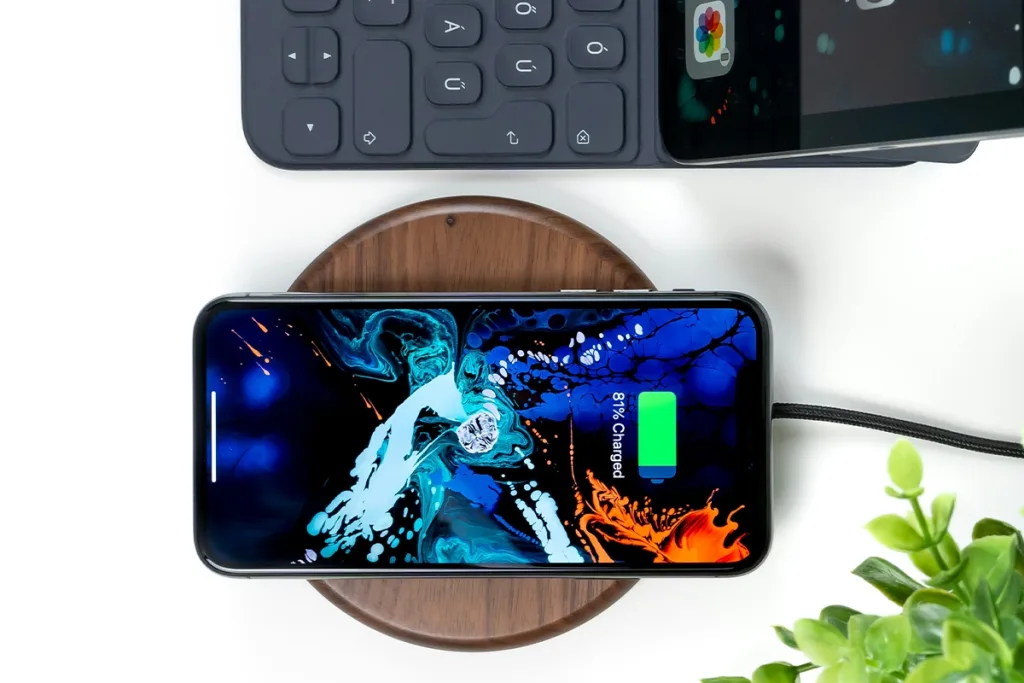
People have a few key concerns when it comes to MagSafe charging, especially around its impact on battery health:
Heat Generation: Since MagSafe is a wireless charging method, it can generate more heat than wired charging. Over time, excess heat could potentially affect the long-term health of the battery.
Frequent Connection and Removal: MagSafe relies on magnets to connect the charger to the device. If you’re constantly plugging and unplugging it, this could cause wear on the connectors or even damage the charging components over time.
Higher Charging Speed: MagSafe’s faster wireless charging can be great for convenience, but charging faster can generate more heat, and this heat could stress the battery more than slower, traditional charging.
How to Maintain Battery Health with MagSafe?
To help your iPhone battery last longer when using MagSafe, here are four simple tips to keep in mind:
Avoid Extreme Temperatures: High temperatures can damage the battery over time, so try to keep your phone out of hot areas while it’s charging on MagSafe. Likewise, charging in very cold conditions can slow down the process and strain the battery.
Don’t Charge Overnight: MagSafe is great for a quick top-up, but leaving your phone on it overnight can lead to excess heat and potentially reduce the battery’s lifespan. Instead, consider unplugging it once it reaches 80-90%, which helps avoid battery stress.
Keep Software Updated: Apple regularly updates iOS to improve battery optimization, especially for MagSafe. These updates can make charging more efficient and reduce overheating. Regular updates also ensure compatibility with new MagSafe accessories and improvements in power management.
Use Optimized Battery Charging: Apple includes this feature to slow down charging once your phone hits around 80%, protecting battery health in the long run. This feature can make a difference, especially if you use MagSafe regularly.
Conclusion
In conclusion, using MagSafe charging isn’t inherently bad for your battery, as long as you follow a few simple guidelines to protect your device. While MagSafe can generate some heat and charges at a slightly faster rate than traditional methods, it’s generally safe for your iPhone’s battery, especially when used properly. Remember to avoid extreme temperatures, keep your software updated, and follow best practices like not charging overnight.
Ultimately, whether or not MagSafe is a good choice depends on your personal charging habits and needs. If you value the convenience of magnetic alignment and faster wireless charging, and you take care of your battery, MagSafe can be a great addition to your routine.
FAQ: Is MagSafe Bad for the Battery?
Is it safe to use MagSafe every day?
Yes, it’s generally safe to use MagSafe every day. MagSafe is designed to be a convenient and efficient way to charge your device. As long as you follow best practices—like avoiding excessive heat and not charging overnight—you shouldn’t run into any issues. Just be mindful of your charging habits!
Will using MagSafe cause my battery to degrade faster?
Using MagSafe won’t cause your battery to degrade faster than other charging methods. While it charges faster and generates a little more heat, it’s still well within the safe operating limits for your battery. However, regular charging habits, like frequent full charges, can still impact your battery over time, no matter the method.
Can I use MagSafe with other charging methods?
Yes, MagSafe is compatible with other wireless charging methods. If you need to charge with a standard Qi charger, your iPhone will still work, but you won’t benefit from the magnetic alignment or faster charging that MagSafe provides. You can switch between MagSafe and regular wireless charging as needed.