
Understanding largest power bank regulations for air travel is crucial. Incidents involving power banks and lithium-ion batteries on flights have increased, raising safety concerns. Regulatory bodies like the FAA and IATA enforce strict guidelines to ensure passenger safety. This blog aims to inform travelers about these rules and provide practical advice for carrying largest banks power on flights.
Table of Contents
Understanding Power Bank Regulations
Why Regulations Exist
Safety Concerns
Power banks, powered by lithium-ion batteries, pose significant safety risks. Short circuits, overcharging, and battery degradation can lead to dangerous situations. Research shows that these batteries can cause fires if damaged or exposed to high temperatures. Strict regulations aim to prevent such hazards, especially on aircraft.
Safety protection features in power banks, like over-charge protection and short-circuit protection, help mitigate risks. Avoid applying excessive force on the power bank or dropping it to prevent damage to internal components.
Regulatory Bodies (FAA, IATA, etc.)
Regulatory bodies like the FAA and IATA enforce guidelines for carrying power banks on flights. These organizations base their rules on extensive research and real-world incidents. The FAA and IATA ensure that passengers follow safety protocols to minimize risks.
General Guidelines
Capacity Limits (Wh – Watt-hours)
The capacity of a portable charger power bank is measured in watt-hours (Wh). Regulations allow power banks with a capacity of up to 100Wh without needing specific approval. Passengers can carry up to two larger batteries with a capacity between 101Wh and 160Wh, but this requires airline approval.
Most airlines limit power banks to batteries with a capacity of 100Wh. Some airlines may allow batteries with a capacity of up to 160Wh if preapproval is obtained.
Airline-Specific Rules
Different airlines may have specific rules regarding power banks. United Airlines, for example, follows TSA guidelines but may have additional restrictions. Always check with the airline before traveling to ensure compliance with their rules.
Detailed Regulations and Guidelines
Capacity Limits
Under 100Wh
Power banks with a capacity of less than 100 watt-hours (Wh) do not require special approval and comply with FAA and IATA regulations, and most airlines allow power banks in this range to be carried on board.
Between 100Wh and 160Wh
Power banks with a capacity between 100Wh and 160Wh require application and approval from the airline, and passengers are limited to two such power banks, which must be placed in carry-on baggage. Please contact the airline before taking these power banks.
Above 160Wh
Power banks with a capacity of more than 160Wh will face stricter inspections, and airlines rarely allow these power banks to be carried on flights. However, they can be carried under special circumstances. This range of charging power sources is suitable for professional industrial use and is rarely used in general personal travel.
Carry-On vs. Checked Baggage
Rules for Carry-On
Passengers must carry all power banks in carry-on luggage. The FAA and TSA prohibit power banks in checked baggage due to fire risks. The largest power bank allowed in carry-on luggage must comply with the 100Wh or 160Wh limits. Ensure each power bank is individually protected from short circuits.
Rules for Checked Baggage
Checked baggage cannot contain power banks. This rule prevents potential hazards from battery malfunctions. The FAA and IATA enforce this regulation strictly. The largest power bank must always stay in carry-on luggage to avoid confiscation or penalties.
Special Situations and Exceptions
Different Power Banks
Different types of portable chargers may have specific rules. Lithium-ion portable battery chargers follow the general guidelines. Non-rechargeable lithium metal batteries also have restrictions. Each battery must contain no more than 2 grams of lithium. The largest power bank for non-rechargeable types must meet these criteria.
International Flights
International flights may have additional regulations. Different countries may impose stricter rules on portable cell phone chargers. Always check the destination country’s regulations before traveling. The largest power bank allowed on international flights must comply with both departure and arrival country rules.
Practical Advice for Travelers
Choosing the Right Portable Charger
Recommended Brands and Models
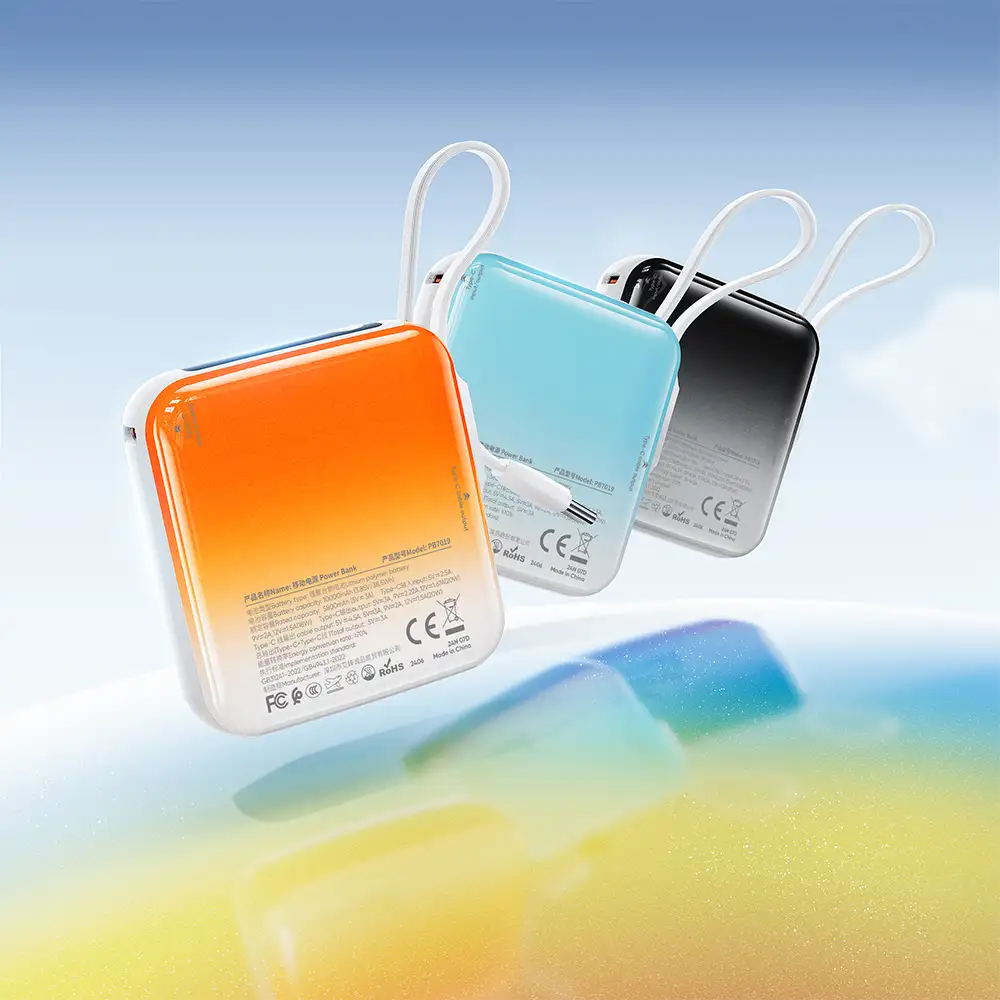
Selecting the right portable battery charger involves considering capacity, reliability, and brand reputation. VIDVIE offers a range of high-capacity power banks suitable for various devices. VIDVIE’s products ensure safety with built-in protections against overcharging and short circuits.
Checking Capacity Before Purchase
Before purchasing a powerbank, check the watt-hour (Wh) rating. Ensure the power bank complies with airline regulations. Powerbanks under 100Wh do not require special approval. For capacities between 100Wh and 160Wh, obtain airline approval before traveling. Always verify the capacity on the product label.
Packing Tips
How to Pack Power Banks Safely
Packing power banks safely prevents potential hazards. Place each power bank in a protective case or pouch. This prevents short circuits and physical damage. Keep power banks in carry-on luggage. Airlines prohibit power banks in checked baggage due to fire risks.
- Use a dedicated compartment in the carry-on bag.
- Avoid placing heavy items on top of the power bank.
- Ensure the power bank is off during the flight.
What to Do if Your Power Bank Exceeds Limits
If a portable charger exceeds the allowed capacity, contact the airline for guidance. Some airlines may permit carrying larger power banks with prior approval. If the airline does not allow it, consider shipping the power bank separately. Alternatively, purchase a compliant power bank for travel.
FAQs
Common Questions and Answers
Q: Can passengers carry multiple portable cell phone chargers?
A: Yes, passengers can carry many power banks. Each power bank must comply with capacity limits.
Q: Are non-rechargeable lithium metal batteries allowed?
A: Yes, non-rechargeable lithium metal batteries are allowed. Each battery must contain no more than 2 grams of lithium.
Q: What happens if a power bank causes an issue during the flight?
A: Flight attendants will follow safety protocols. Passengers should report any issues immediately.
To sum up
Understanding portable phone charger regulations ensures safe and hassle-free travel. Following these guidelines prevents potential hazards. Staying informed about airline-specific rules helps travelers avoid complications. Preparing for future trips with compliant powerbanks enhances the travel experience.
Readers are encouraged to share experiences or ask further questions at VIDVIE. Engaging with others’ insights can provide valuable tips for future travels.